
Mesenchymal Stem Cell Injection – A Regenerative Approach to Pain and Healing
A mesenchymal stem cell injection is a cutting-edge regenerative therapy that delivers multipotent stromal cells directly into damaged or inflamed tissues to promote healing. These mesenchymal stromal cells (MSCs) are known for their ability to differentiate into bone, cartilage, and fat cells, while also exerting powerful immunomodulatory and anti-inflammatory effects through paracrine signaling. This minimally invasive treatment is commonly used in orthopedics, sports injuries, and autoimmune conditions. MSCs are typically derived from bone marrow aspirate, adipose tissue, or umbilical cord tissue (UC-MSCs), each source offering unique therapeutic benefits in regenerative cell therapy.
Medical Conditions Treated with MSC Injections
Mesenchymal stem cell injections are increasingly used in regenerative and orthobiologic medicine due to their ability to repair tissue, reduce inflammation, and regulate immune responses. These minimally invasive procedures have shown promise across a variety of degenerative and autoimmune conditions.
Common conditions treated with MSC therapy include:
These applications highlight the versatility of MSC therapy for pain, joint regeneration, and immune regulation, making it a powerful tool in modern stem cell treatment.
How Mesenchymal Stem Cell Injections Work?
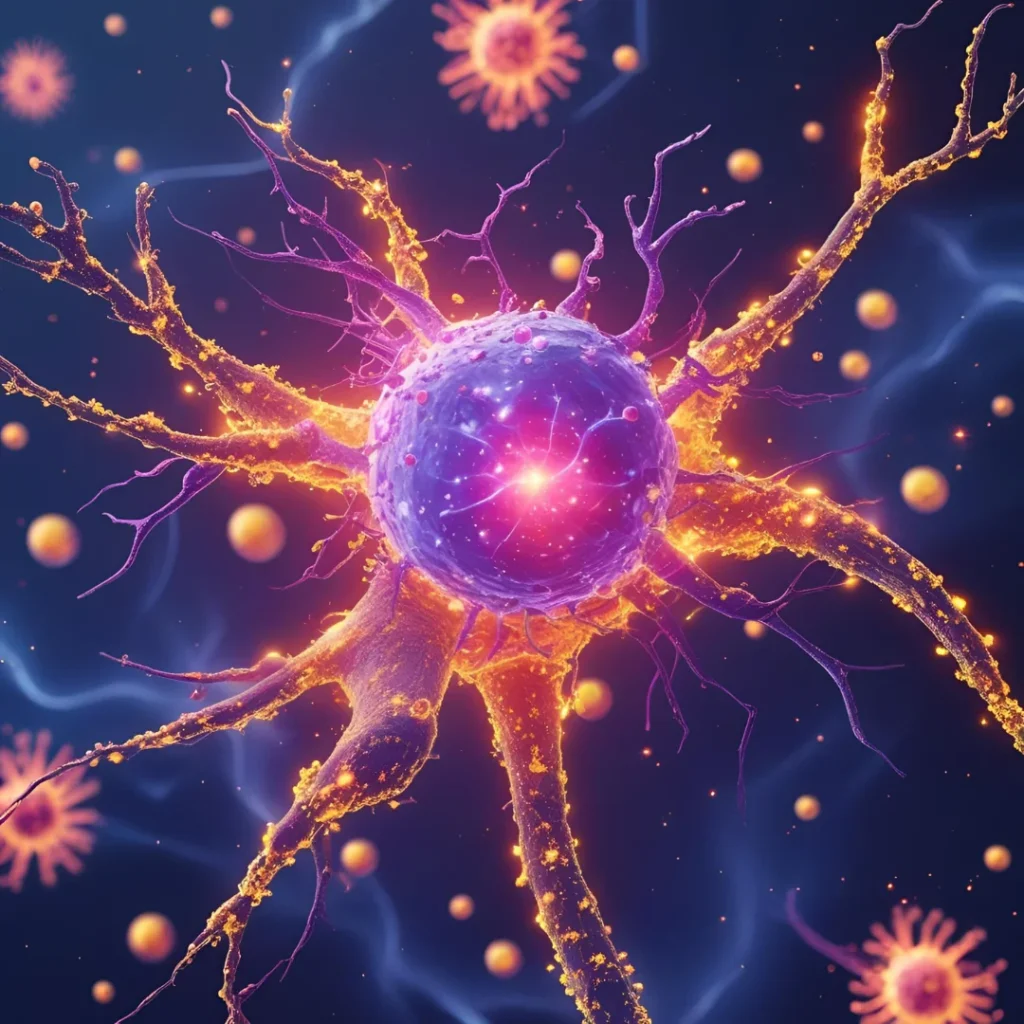
Mesenchymal stem cell injections promote healing not just by replacing damaged cells but through powerful signaling effects known as the paracrine effect. Once introduced into the body, MSCs release a cascade of bioactive molecules, including growth factors, cytokines, and extracellular vesicles, which influence surrounding cells and accelerate tissue regeneration.
A major component of their therapeutic power lies in immunomodulation and anti-inflammatory action, rather than direct cell replacement. MSCs help regulate the immune system, reduce chronic inflammation, and stimulate angiogenesis (the formation of new blood vessels), all of which contribute to faster and more efficient healing. Key mechanisms of action include:
Together, these elements make MSC injections a promising, cell-free therapeutic strategy with far-reaching potential.
MSC Injection Procedure Step-by-Step
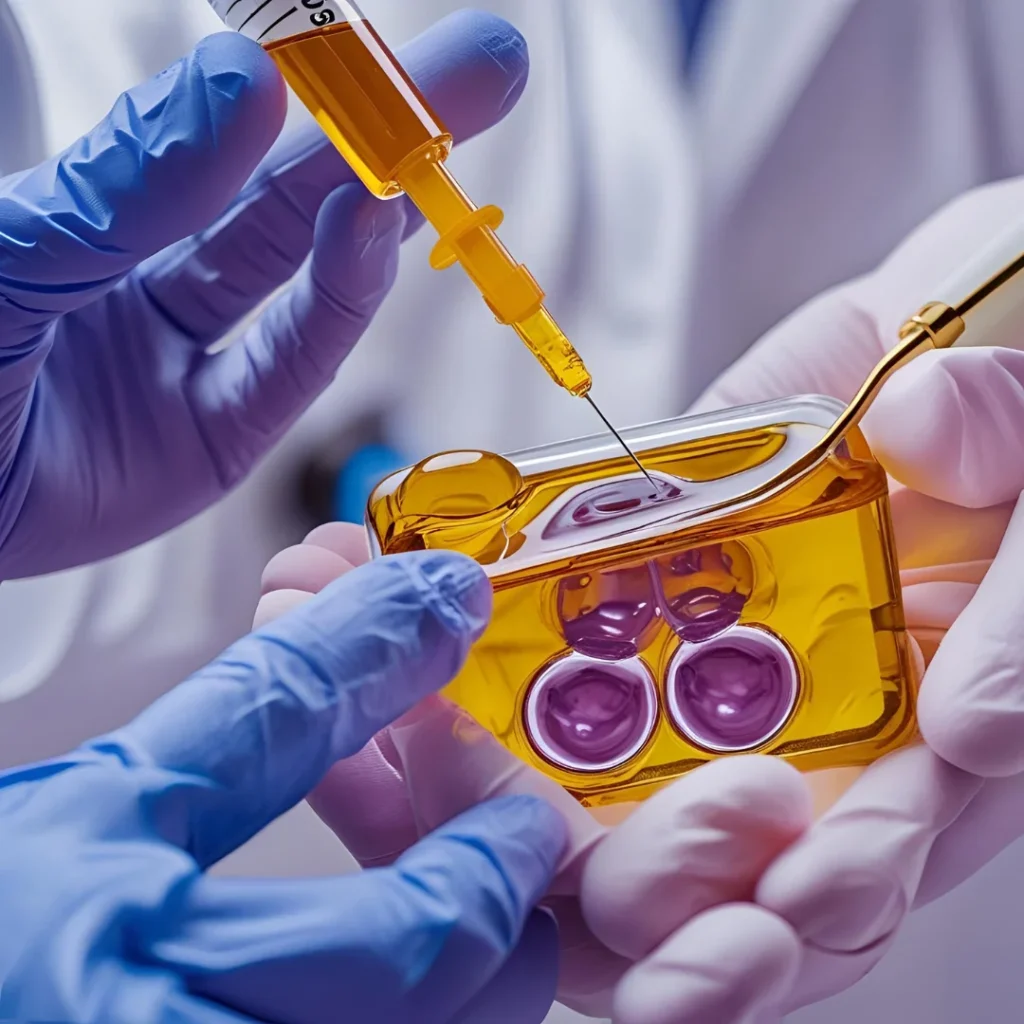
The mesenchymal stem cell injection process involves a series of carefully controlled steps to ensure safety, sterility, and maximum therapeutic effect. The procedure may vary slightly depending on whether the MSCs are autologous (from the patient’s own body) or allogeneic (from a donor), but the core steps remain consistent. Typical MSC injection process:
Stem cell isolation
MSCs are first harvested from tissue sources such as bone marrow aspiration (typically from the hip bone) or adipose tissue via minimally invasive liposuction.
Cell processing and expansion
The harvested cells are isolated and expanded in a laboratory under GMP-grade conditions to ensure they meet the standards for clinical-grade stem cells. This step may include filtering, culturing, and testing for viability.
Preparation for injection
Once ready, the MSCs are suspended in a sterile carrier solution for injection. The dose and concentration depend on the target condition and treatment protocol.
Image-guided administration
The MSCs are then delivered directly to the injury site using ultrasound or fluoroscopy-guided injection to ensure precise placement and optimal therapeutic benefit.
Autologous vs. allogeneic:
- Autologous MSC therapy uses a patient’s own stem cells—ideal for reduced immune risk.
- Allogeneic MSC therapy uses donor-derived MSCs—useful when rapid treatment is needed or harvesting is not possible.
Benefits of MSC Injections
Mesenchymal stem cell (MSC) injections offer a powerful, non-surgical solution for patients seeking advanced, minimally invasive regenerative treatments. Unlike traditional surgeries or drug-based interventions, MSC therapy promotes the body’s own natural healing processes with fewer risks and faster recovery.
Key benefits of MSC injections include:
Research and Clinical Evidence
The use of mesenchymal stem cell (MSC) injections is increasingly supported by growing bodies of clinical and academic research. Leading databases like ClinicalTrials.gov and PubMed host hundreds of peer-reviewed studies evaluating the efficacy and safety of MSC therapy across various conditions.
Numerous NIH-funded studies and international trials have shown promising results, particularly in the field of regenerative orthopedics, where MSCs have been used to treat:
Osteoarthritis (OA)
MSCs have shown potential to reduce joint pain, improve mobility, and slow cartilage degeneration.
Rheumatoid arthritis (RA)
Clinical research suggests MSCs help regulate immune responses and reduce inflammation in autoimmune joint diseases.
Orthopedic injury recovery
MSC injections have been applied successfully in sports medicine and post-surgical healing, enhancing tissue regeneration and minimizing downtime.
This body of evidence-based stem cell use continues to expand, positioning MSC therapy as a credible, science-backed option for those seeking alternatives to invasive procedures or long-term pharmaceutical treatments.
Cost and Insurance Considerations
The cost of mesenchymal stem cell (MSC) injections varies widely depending on the clinic, location, and treatment protocol. On average, patients can expect to pay between $3,000 and $8,000 per injection, especially at private stem cell clinics in the U.S. and Europe.
Currently, most MSC therapies are considered experimental by regulatory bodies like the FDA. As a result:
– Insurance coverage for MSC therapy is typically not available.
– Patients must often pay out-of-pocket, especially when seeking treatment at private or international regenerative centers.
When compared to platelet-rich plasma (PRP) therapy, MSC injections are generally more expensive due to:
– The complexity of cell processing and expansion
– Regulatory and GMP-compliance costs
– Higher efficacy in advanced regenerative cases
That said, many patients choose MSC therapy over PRP due to its superior potential in tissue regeneration, immune modulation, and long-term outcomes—particularly for joint degeneration and chronic pain.
After receiving a mesenchymal stem cell (MSC) injection, most patients experience a gradual healing process. In the first few days post-procedure, mild pain or swelling at the injection site is common and typically resolves with basic post-injection care. Over the next few weeks, patients may begin to notice improvements in mobility, inflammation reduction, and pain relief.
The MSC injection recovery time varies depending on the condition treated, but full results are generally seen between 1 to 6 months. During this period, patients are often advised to avoid strenuous activity and follow a personalized rehab support plan, which may include physical therapy to promote optimal healing and function.
Understanding the healing phases and maintaining realistic expectations is crucial, as expected outcomes are gradual and built over time through the regenerative effects of MSCs.
Recovery Timeline and What to Expect
Future of MSC Injection Therapy
The field of MSC injection therapy is evolving rapidly, with exciting advancements in cell-free MSC therapy and engineered stem cells. Innovations in xeno-free and serum-free MSC media have improved the safety and scalability of these therapies, aligning with global standards for clinical use.
Leading biotech companies like Lonza, Gibco, and Stemcell Technologies are pioneering the development of next-gen biologics, making scalable cell production more efficient and cost-effective. Moreover, there’s growing interest in the MSC secretome, particularly exosome-based therapies, which offer powerful regenerative benefits without introducing whole cells into the body.
Emerging technologies, including AI in stem cell therapy, are also shaping the future of personalized treatment planning, outcome prediction, and optimized cell engineering—pushing the boundaries of what regenerative medicine can achieve.